Should Palm Beach Homeowners Reseal a Fading Pool Deck?

Should Palm Beach Homeowners Reseal a Fading Pool Deck?

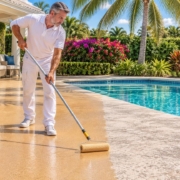
A fading pool deck deserves a closer look, especially when the rest of your outdoor space is clean and well cared for. Dull pavers, patchy stone, or discolored concrete can make the whole area feel worn, and fading may also signal that an old protective coating is no longer doing its job.

We often find that resealing is a smart way to refresh a deck and help protect it from stains, moisture, and everyday wear. Still, every surface needs its own plan. The right approach depends on the deck material, the condition of the surface, and the type of sealer already in place.

Restore Your Pool Deck’s Safety and Curb Appeal

A pool deck takes a lot of abuse in Palm Beach. Sun exposure, humidity, wet feet, sunscreen, leaves, and regular cleaning can all affect the way pavers, stone, and concrete look over time. When a sealer wears away, the surface may lose color, sheen, and its even finish.

Fading is not always proof that the deck itself is damaged. Sometimes the surface simply needs proper cleaning and a fresh protective coating. In other cases, fading comes with stains, peeling, loose sand, or damaged areas that need attention before sealing.

Our work with pool deck sealing in Palm Beach starts with looking beyond appearance. We evaluate what the surface is made of, how it is holding up, and whether an old coating may affect the next one. That careful first step helps avoid applying a product that will not bond or wear evenly.

Spot Warning Signs Before Damage Spreads

A deck that once had rich color or a clean, even finish may look dry, chalky, or blotchy as its sealer breaks down. Pavers and natural stone can begin to absorb more moisture, while concrete may show uneven discoloration. These changes are a good reason to inspect the deck before small problems become harder to correct.

Color is only one clue. We recommend watching for signs that the surface is no longer well protected, including:

  • Stains that remain after normal cleaning
  • Dark spots that appear when the deck gets wet
  • Mildew, algae, or white mineral deposits
  • Peeling, cloudy areas, or uneven gloss
  • Rough, powdery, or flaking sections

Loose joint sand, shifting pavers, cracks, damaged stone, and worn edges also matter. A fresh sealer cannot repair structural issues, and it should never be used to cover them up. Repairs need to come first so the finished deck has a stable, clean foundation.

Taking action early can make a noticeable difference. A properly maintained protective finish can help reduce staining, make routine cleaning easier, and preserve the appearance of pavers, stone, and concrete. Waiting until the surface is heavily stained or coated with failing sealer may mean more preparation is needed before the deck can be refreshed.

Learn What Fading Says About Your Surface

Not all pool decks absorb moisture or react to coatings in the same way. Concrete, brick, travertine, natural stone, and interlocking pavers each have different needs. A product that looks great on one surface may leave another one too glossy, uneven, or difficult to maintain.

Some decks benefit from a penetrating sealer that protects the material without leaving a visible film on top. Others may need an enhancing sealer that deepens the natural color of pavers or stone. In certain cases, a topical finish may be appropriate for creating a more polished look. The best choice depends on the surface and the look you want to keep.

Old coatings can make resealing more complicated. Acrylic, water-based, solvent-based, and unknown sealers can all affect how a new product adheres. Peeling, whitening, patchy shine, or streaky areas may suggest that the old coating needs more than a quick cleaning.

Before applying anything new, we inspect for concerns such as:

  • Embedded dirt and leftover cleaning residue
  • Mold, algae, and mildew growth
  • Efflorescence, which can appear as a white mineral film
  • Oil, sunscreen, or other surface contaminants
  • Moisture trapped in the material or below an old coating

A faded deck may need cleaning, stripping, repairs, and complete drying before a new sealer can go on evenly. Good surface preparation is what helps a refreshed finish look natural instead of patchy or overcoated.

Select a Sealer That Matches Your Deck

The best sealer begins with a clear goal. You may want to preserve the original color of the deck, deepen the tones in your pavers, reduce the chance of stains, or make routine cleanup simpler. A clear finish can maintain a more natural appearance, while an enhancing product can bring out color that has started to look dull.

Poolside safety should be part of the choice, too. Some finishes can become slick when the wrong product or sheen is used on a wet walking area. We consider the amount of foot traffic, drainage, surface texture, and the deck’s use before recommending a finish. Where appropriate, traction-focused options can help support a safer surface without taking away from its appearance.

One-size-fits-all products can create problems that are difficult to undo. A mismatched sealer may haze, peel, leave cloudy patches, or make future maintenance more involved. Professional pool deck sealing in Palm Beach is about matching the product to the actual material and conditions, not simply adding shine.

Build a Durable Finish Through Proper Preparation

Clean surfaces accept sealer more evenly. Before coating work begins, the deck may need deep cleaning to remove dirt, sunscreen residue, oils, mineral buildup, mildew, algae, and old product residue. Skipping this step can leave stains trapped beneath the new finish or prevent the sealer from bonding correctly.

Repairs should also be completed before sealing. Cracked concrete, loose stones, damaged pavers, missing joint sand, and failing edges can stand out even more after a fresh coating is applied. Correcting these issues first helps create a cleaner, more finished appearance.

Application matters just as much as preparation. Proper coverage rates, drying time, and coat thickness help prevent roller marks, puddling, tacky spots, and uneven gloss. When the deck is prepared and sealed correctly, the final result should look refreshed and consistent, not overly shiny or patchy.

Request a Professional Pool Deck Assessment

Fading is a practical signal that it may be time to assess your deck, particularly when it appears with stains, moisture absorption, peeling coatings, or visible surface damage. We help homeowners throughout Palm Beach County and South Martin County evaluate paver, stone, and concrete surfaces before recommending preparation and sealing work.

The best time to address a fading pool deck is before worn protection turns into deeper staining, surface wear, or a failing coating that needs extensive removal. A careful evaluation can identify what your deck needs now and help protect its appearance for the time ahead.

Preserve Your Deck’s Finish With Expert Care

RAM Painting can help you choose the right protection for your deck’s material, condition, and exposure. Get professional pool deck sealing in Palm Beach to refresh its appearance and support longer-lasting performance. Our team delivers careful preparation and a finish designed for the demands of an outdoor pool area.

Signs Your Palm Beach Business Needs Exterior Repainting

Signs Your Palm Beach Business Needs Exterior Repainting

Protect Your Business Image Before Damage Spreads

Your building’s exterior says a lot before a customer, tenant, or vendor walks through the door. Faded walls, peeling trim, and visible stains can make a well-run business look dated or poorly maintained, even when the inside tells a different story.

Paint is not just about color. It helps protect stucco, concrete, metal, wood, trim, and other surfaces from sun, moisture, salt air, and daily wear. At RAM Painting, we serve commercial properties throughout Palm Beach County and South Martin County, including offices, retail spaces, restaurants, professional buildings, and multifamily properties. We recommend acting when early warning signs appear, rather than waiting for paint to fail across the whole building.

Fading and Peeling Signal a Failing Coating

Florida sunshine can be hard on exterior paint. Over time, strong sunlight breaks down paint pigments and leaves walls looking dull, chalky, or uneven. Darker colors often show fading first, especially on walls that receive direct sun for much of the day. Painted sign areas, entry doors, trim, and decorative details may also start to look noticeably different from protected areas.

Peeling, flaking, bubbling, or blistering paint calls for quicker attention. These signs often mean the existing coating is no longer sticking to the surface as it should. Moisture, age, surface contamination, or poor preparation during an earlier paint job can all contribute to this problem.

Once paint pulls away, the material underneath becomes exposed to more wear. That may lead to additional surface damage and a less polished appearance around your property.

Before we apply new paint, we look beyond the loose coating. A proper commercial exterior painting project in Palm Beach should include the preparation needed for the building’s surface and condition, such as:

  • Removing loose or peeling paint
  • Cleaning dirt, residue, and surface buildup
  • Repairing damaged areas where needed
  • Applying primer to suitable prepared surfaces
  • Choosing coatings that fit the material and exposure

Covering failing paint with a fresh coat may improve the appearance for a short time, but it does not solve the reason the old coating failed. Early repairs and proper preparation help create a cleaner finish and a more dependable paint system.

Cracks and Caulk Gaps Invite Costly Damage

Small cracks can seem harmless, especially on stucco, masonry, concrete, trim, and around building transitions. Still, cracks can give moisture a path behind the paint or into vulnerable materials. Some may be surface-level concerns, while others need closer attention before painting begins.

Caulk deserves the same careful look. Around windows, doors, trim boards, expansion joints, and other openings, caulk helps close gaps that paint alone cannot reliably seal. When it shrinks, splits, pulls away, or goes missing, the protective barrier around those areas is weakened.

During an exterior assessment, we look for details that can affect the life of a new paint job. Proper surface preparation may include cleaning, patching, crack treatment, caulking, and priming based on what the building is made of and what condition it is in.

Watch for these visible signs around your property:

  • Hairline or widening cracks in walls and trim
  • Gaps around windows, doors, or exterior joints
  • Caulk that looks dry, split, or separated
  • Water stains near openings or below cracks
  • Paint separating around repaired areas

Addressing these conditions early can help you maintain curb appeal while making smarter long-term maintenance decisions. Repainting works best as part of a larger plan for caring for the building exterior, not simply as a color update.

Stains and Mildew Undercut Curb Appeal

Streaks, discoloration, dirt buildup, and mildew growth can make an otherwise professional property look neglected. Exterior walls, columns, soffits, walkways, and shaded areas can collect pollutants, moisture-related staining, and organic growth over time.

Sometimes professional cleaning can remove surface dirt and restore the look of the existing paint. Other times, stains have worked into the coating, or the paint has become uneven and worn. If discoloration returns soon after cleaning, mildew appears across several areas, or walls still look blotchy, repainting may be the better long-term answer.

Preparation matters here, too. New paint should not go over dirty surfaces, mildew residue, or loose material. We focus on preparing the exterior so the new coating has a clean surface to bond with.

Commercial exterior painting in Palm Beach should match the property’s actual needs. Different surfaces, including stucco, concrete, metal, wood, and trim, can require different preparation and coating approaches. A well-maintained exterior also makes a stronger first impression on customers, employees, vendors, and prospective tenants before they ever enter the building.

Plan Exterior Updates Before Repairs Grow

Waiting until paint is failing everywhere can make exterior maintenance more complicated. It is often easier to plan work when you first notice isolated peeling, faded color, cracked caulk, recurring stains, exposed spots, or worn areas near entrances and high-traffic spaces.

A professional review can help determine whether your building needs a full repaint, work on selected elevations, trim restoration, targeted repairs, or protective sealing. We consider the condition of the surfaces, the age of the existing paint, prior coating history, and how visible the property is from the road and customer entrances.

For some properties, sealing services may also be part of a broader exterior care plan. Wood staining and sealing, along with paver, stone, and concrete sealing, can help maintain the appearance of outdoor features that contribute to your overall property image.

Proactive planning can also help reduce disruption to your daily operations. When exterior needs are identified early, you have more time to coordinate work around tenants, visitors, staff, access points, and business hours.

Keep Small Exterior Problems From Becoming Bigger Ones

Fading paint, peeling coatings, cracks, stains, mildew, and failed caulk are all signs that your exterior may need more than routine cleaning. The right response depends on the condition of the building, but ignoring early changes can allow moisture, wear, and surface damage to spread.

A clean, well-painted exterior protects more than curb appeal. It supports the condition of the building and helps your business present a professional, cared-for image to every person who arrives at the property.

Protect Your Property With a Lasting Finish

RAM Painting can assess your exterior and recommend the right approach for lasting protection and a polished appearance. Get started with commercial exterior painting in Palm Beach from our experienced team. We will help you choose a finish that suits your building, brand, and maintenance needs.

Is Driveway Paver Sealing Worth It for Palm Beach Gardens Homes

Is Driveway Paver Sealing Worth It for Palm Beach Gardens Homes

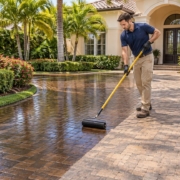
A sealed paver driveway can stay cleaner, hold its color better, and make a stronger first impression. In Palm Beach Gardens, driveways deal with daily traffic, irrigation, spills, strong sun, moisture, and organic buildup. Pavers are tough, but they still need the right care to look their best over time.

The question is not simply whether a driveway can be sealed. It is whether sealing makes sense for your pavers, their current condition, and the appearance you want for your home.

Protect Your Driveway and Its Curb Appeal

Your driveway is one of the first parts of your property that people see. When pavers start to fade, collect dark stains, lose joint sand, or grow weeds, the whole exterior can look less cared for, even when your landscaping and paint are in good shape.

Several common signs can indicate that pavers are due for professional attention:

  • Faded or uneven color
  • Dark tire marks, oil spots, or organic staining
  • Loose or missing sand between pavers
  • Weed growth in the joints
  • A dull, chalky, or worn-looking surface

Sealing is not only about making pavers shiny. The right sealer, paired with proper preparation, can help protect the surface and support a cleaner, more even appearance. Some homeowners prefer a natural look, while others want a richer finish that brings out the pavers’ color.

Whether driveway paver sealing in Palm Beach Gardens is worthwhile depends on several details. The condition of the pavers, drainage patterns, previous coatings, staining, and your preferred finish should all be considered before selecting a plan. An in-person evaluation can help determine the appropriate preparation, products, and scope for paver, stone, and concrete sealing.

Why Sealing Can Pay Off for Local Driveways

A quality sealer can make everyday messes easier to manage. Oil drips, tire marks, dirt, leaf residue, and mildew can still happen, but a sealed surface may be less likely to absorb contaminants as quickly. That gives you a better chance of having stains addressed before they become deeply set into the pavers.

No sealer makes a driveway stain-proof. Still, protected pavers can often be easier to maintain than untreated surfaces that have been exposed to years of moisture, sun, and vehicle traffic.

Color is another reason many homeowners consider sealing. Sun exposure can leave pavers looking faded or uneven over time. Depending on the material and desired result, a finish may include:

  • Natural-look, for a subtle, low-sheen appearance
  • Matte, for a soft finish without much reflection
  • Satin, for a modest touch of richness
  • Wet-look, for deeper color and more visible contrast

Joint sand also matters. When the paver system and sealer are compatible, sealing can help stabilize the sand between pavers. This may reduce washout and limit the open spaces where weeds can take hold. For that benefit to last, the driveway must be cleaned well, sanded correctly, evaluated for drainage, and allowed to dry and cure properly.

Think Beyond a One-Time Cosmetic Upgrade

Consider sealing as part of a long-term maintenance plan, not a quick surface fix. A driveway that is easier to clean and better protected from everyday buildup may need less frequent deep cleaning, weed control, stain treatment, and joint sand replacement.

Curb appeal is a big part of that decision. A faded or blotchy driveway can pull attention away from a freshly painted exterior, a clean walkway, or a welcoming front entry. When the driveway looks cared for, the whole property feels more pulled together.

Sealing does not guarantee a higher sale price for a home, and it should not be presented that way. However, a clean, well-maintained driveway can help you present your property in a more favorable way to guests, neighbors, and potential buyers. A complete evaluation should consider the driveway’s size, paver condition, cleaning needs, joint sanding, product choice, and any repairs that should happen before sealing.

Know When Your Pavers Need Professional Attention

Visible wear is a good reason to have your driveway inspected, but it does not always mean a sealer should be applied right away. Some issues need to be corrected first so the finished surface can look even and perform as expected.

Pause before sealing when you notice problems such as cracked pavers, settling areas, standing water, poor drainage, active efflorescence, or an old coating that is peeling or failing. Applying a new product over unresolved issues can trap contaminants, create hazy spots, or lead to an uneven finish.

Preparation makes a real difference. Before a driveway is sealed, the pavers and existing finish should be assessed, the surface should be cleaned thoroughly, stains should be addressed when possible, appropriate drying time should be allowed, and joint sand should be replenished where needed. Only then can a compatible sealer be applied evenly. This careful process helps the pavers look natural instead of overly glossy, patchy, or slick.

Choose a Process Built for Lasting Results

Not every paver or stone surface should receive the same product. The right choice depends on the material, the condition of the driveway, prior sealers, and the finish you prefer. Breathable, compatible products can help reduce the risk of whitening, peeling, hazing, or an artificial-looking shine.

An in-person estimate is especially useful because it allows for inspection of details that photos and generic pricing cannot show. The layout, stains, drainage, access, existing coatings, and overall paver condition can all be reviewed before the proper scope of work is outlined.

After sealing, continued care still matters. Promptly addressing spills, clearing debris, avoiding harsh cleaners unless recommended, and watching for joint sand loss can help preserve the results. Resealing needs vary based on traffic, sun exposure, moisture, product type, and the condition of the surface. The best time to act is before fading, staining, and joint wear become harder to correct.

Protect Your Pavers With Lasting Results

RAM Painting can assess your surface and recommend the right approach for durable protection and a cleaner finish. Get professional driveway paver sealing in Palm Beach Gardens tailored to your pavers, traffic levels, and exposure. Our team is ready to help you maintain a driveway that looks polished and performs well.

Understanding Paint Sheens for Palm Beach Interior Spaces

Understanding Paint Sheens for Palm Beach Interior Spaces

Choose the Right Sheen for a More Livable Home

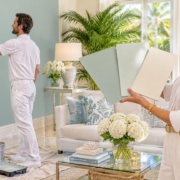
Paint color gets most of the attention, but sheen has just as much to do with how a room looks and feels. The right finish can make walls easier to clean, soften bright light, and help your space stay polished through daily use. For interior painting in Palm Beach, we help clients choose finishes that fit the room, the wall condition, and the way they live or work.

Sheen is the amount of light a painted surface reflects. Flat and matte paints reflect very little light, while eggshell, satin, semi-gloss, and high-gloss finishes become progressively shinier. Higher sheens are often easier to wipe clean, while lower sheens create a softer look and do a better job of hiding small wall flaws.

A finish that works beautifully in a quiet bedroom may not hold up as well in a busy hallway or bathroom. Throughout a painting project, we consider more than the color palette. Room use, lighting, humidity, traffic, and wall texture all help guide the best choice.

Match Sheen to Each Room’s Daily Demands

There is no single paint sheen that works best for every wall in a home or business. A practical plan matches the finish to what happens in each room every day.

Flat and matte finishes are a smart fit for low-traffic spaces where a calm, smooth appearance matters most. Because they do not reflect much light, they can help disguise small dents, patches, uneven drywall, and texture differences. We often recommend these finishes for bedrooms, formal living rooms, ceilings, and walls that have minor imperfections.

Modern premium matte paints can be more washable than older flat products, but they are still best suited to spaces that do not get frequent fingerprints, scuffs, or splashes.

Eggshell offers a middle ground. It has a soft hint of luster without looking shiny, giving you more durability than flat paint while keeping the wall finish gentle and welcoming. Eggshell often works well in:

  • Dining rooms and family rooms
  • Home offices and guest rooms
  • Hallways with moderate activity
  • Common areas where you want a soft wall appearance

For rooms that see more moisture, messes, and regular cleaning, satin is often the better choice. Its smooth finish is easier to wipe down and stands up well to everyday activity. In Palm Beach homes, satin can be especially helpful in kitchens, bathrooms, laundry rooms, children’s rooms, and high-use hallways where humidity and fingerprints can be part of daily life.

Balance Durability, Light, and Wall Condition

Light can change the way any sheen looks. A reflective finish can brighten a darker room and make trim or cabinetry stand out. At the same time, more shine can reveal details you may not notice with a flatter paint, including drywall seams, nail pops, roller marks, and uneven patches.

Rooms with large windows, strong overhead lighting, or direct sunlight may benefit from a lower-sheen wall paint. Flat, matte, and eggshell finishes absorb more light, which can create a calmer appearance on broad wall surfaces. That does not mean higher sheens are wrong in bright spaces, but they need careful planning.

Wall condition should play a major role in your decision. Semi-gloss and high-gloss paints can look sharp and polished, but their reflective surfaces make preparation especially important. Before applying a shinier finish, we may need to address surface issues through patching, sanding, priming, and careful application.

Shinier is not always tougher in every real-life setting. Quality paint, good preparation, and the right product for the room can make eggshell and matte finishes more resilient than many people expect. When we plan interior painting in Palm Beach, we look at the existing coating, wall texture, expected wear, and how much ongoing cleaning you prefer.

Know Where Each Paint Finish Performs Best

Semi-gloss is a dependable choice for detailed surfaces that need regular cleaning. Its noticeable sheen brings attention to architectural features while giving doors, trim, and cabinets a clean, finished look. Baseboards and window trim also tend to perform well in semi-gloss because they are more likely to collect scuffs and marks.

Many clients also choose semi-gloss for bathrooms or kitchens when they want a more traditional, polished style. Still, the walls need to be smooth enough for the finish, since semi-gloss can show surface inconsistencies more clearly than satin or eggshell.

High-gloss is more specialized. It can create a dramatic, almost lacquer-like effect on select doors, trim, accent pieces, or cabinetry. Because it reflects so much light, high-gloss paint requires excellent surface preparation and skilled application. We usually recommend using it selectively rather than treating it as a standard wall finish.

Here is a simple starting point for planning paint sheen by room:

  • Bedrooms and ceilings often suit flat or matte finishes
  • Main living areas commonly work well with eggshell
  • Kitchens, bathrooms, laundry rooms, and busy hallways often benefit from satin
  • Doors, baseboards, trim, and cabinets usually perform well in semi-gloss
  • Accent details may be candidates for high-gloss when the surface is properly prepared

These are useful guidelines, not strict rules. A dark color can appear different in satin than in eggshell. A textured wall may need a lower sheen than a smooth wall. Lighting, cleaning habits, and the look you want can all justify adjusting the plan.

Plan Your Interior Finish with RAM Painting

A successful paint project depends on more than selecting a color you love. The best sheen supports the way you use the room, complements its lighting, makes cleaning more manageable, and helps the walls maintain a fresh appearance. We bring preparation and finish selection into the same conversation, so the final result is built for the space.

We serve homeowners and businesses throughout Palm Beach County and South Martin County with professional painting guidance tailored to each interior. Before settling on a finish, it helps to consider which walls get touched most often, where moisture collects, how much light enters the room, and whether existing drywall has visible flaws.

The simplest way to make a confident choice is to think room by room. A softer sheen can create a peaceful, forgiving wall surface, while a more reflective finish can bring durability and definition where it matters most.

Bring Your Interior Vision to Life

RAM Painting can help you choose finishes that complement each room’s use, lighting, and style. Get professional guidance and detailed results with interior painting in Palm Beach tailored to your home. We’re ready to make your next update feel polished and purposeful.